

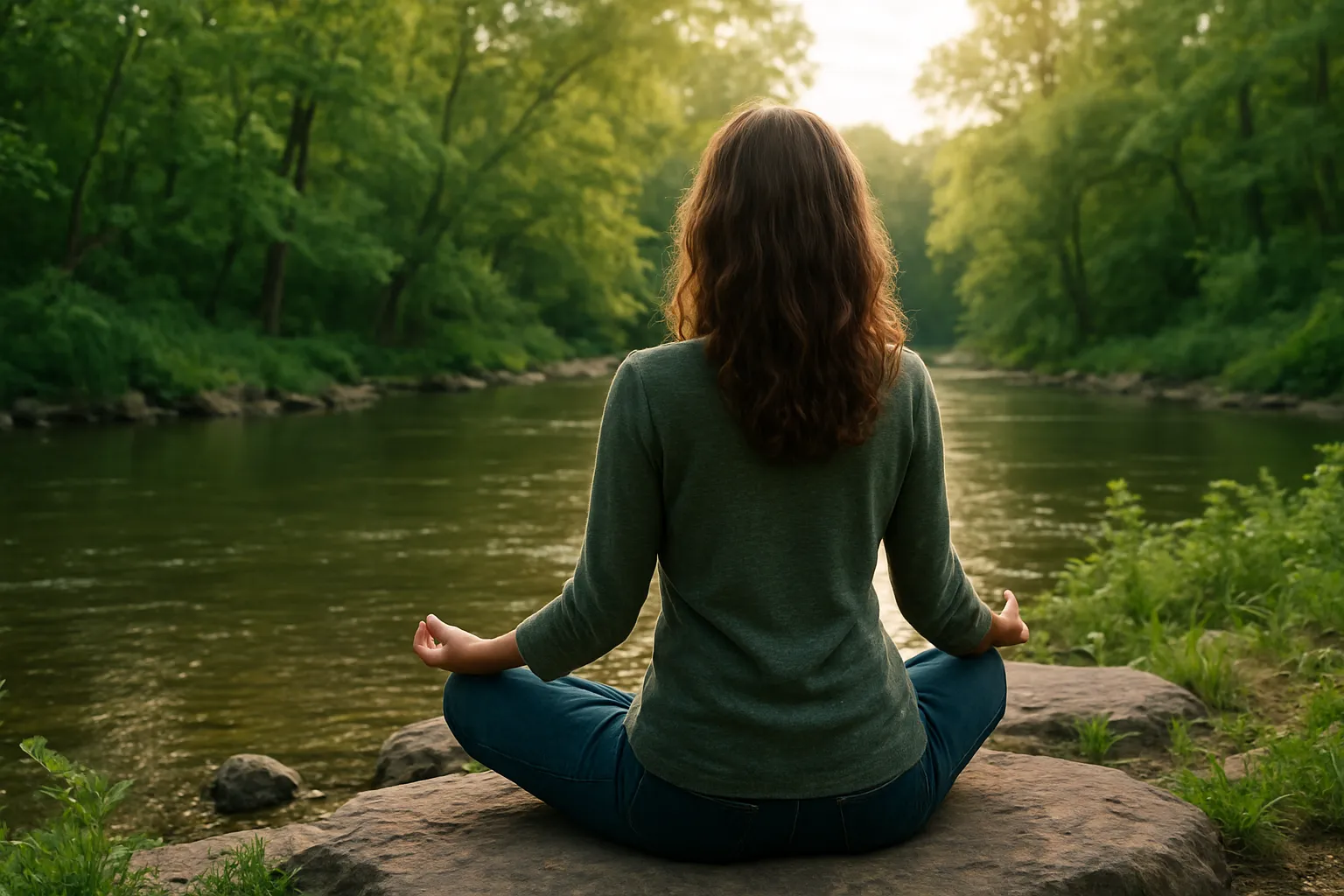
Recovery is not only about overcoming addiction or managing mental health struggles—it’s about building a lifestyle that supports long-term balance and well-being. One approach gaining attention in both mental health and addiction treatment is eco-therapy, also called nature therapy or green therapy. This method emphasizes the healing power of the natural world to reduce stress, improve mood, and foster resilience.
In today’s world of constant technology and urban living, many people spend less time outdoors than ever before. This shift contributes to higher stress, anxiety, and depression. Eco-therapy aims to reverse that pattern by guiding individuals back to nature through outdoor therapy, wilderness programs, green exercise, and exposure to calming natural environments.
Why Nature Matters for Mental Health
Time spent in nature does more than provide a change of scenery; it has measurable effects on the brain and body. Studies show that even brief exposure to green spaces can:
- Lower cortisol – the hormone linked to stress
- Reduce blood pressure and heart rate, promoting relaxation
- Boost serotonin and dopamine, improving overall mood
- Reduce symptoms of depression and anxiety
- Enhance focus and memory
For people in recovery, these benefits are especially important. Stress and negative emotions often act as triggers for relapse. Nature offers a safe and healthy outlet for emotional release and stress management, helping individuals stay grounded during difficult moments.
Biophilia
The idea behind eco-therapy is rooted in biophilia, a concept introduced by biologist E.O. Wilson. Biophilia suggests that humans have an inborn need to connect with nature, shaped over thousands of years of evolution. Our ancestors depended on the land and natural cycles for survival, and even today, our minds and bodies respond positively to natural environments.
Eco-therapy builds on this principle by encouraging people to spend time outdoors—walking in a park, gardening, or participating in structured programs like forest bathing or wilderness retreats. Reconnecting with the natural world can restore balance, promote emotional healing, and improve overall well-being.
Different Types of Eco-Therapy
Eco-therapy isn’t a one-size-fits-all approach. It can be adapted to meet different needs and lifestyles. Here are some of the most common forms:
-
Forest Bathing (Shinrin-Yoku)
Originating in Japan, forest bathing is the practice of walking slowly and mindfully in forests while engaging all the senses. Research shows that this practice reduces stress, strengthens the immune system, and boosts mood. Unlike hiking for exercise, forest bathing is about slowing down and connecting deeply with the environment.
-
Horticultural Therapy
Working with plants through gardening is another powerful form of eco-therapy. Planting, nurturing, and harvesting provide a sense of purpose and accomplishment. Many treatment centers use gardening programs to help individuals in recovery practice patience, mindfulness, and self-care.
-
Green Exercise
Exercising outdoors, such as walking, running, or cycling, offers greater benefits than indoor activity alone. Studies have found that physical activity in green spaces reduces anxiety, lifts mood, and improves concentration, making it a valuable tool for relapse prevention and emotional regulation.
-
Outdoor Therapy Sessions
Therapists are increasingly offering sessions outside of traditional office settings. Walking while talking or sitting in a park creates a more relaxed environment, often helping clients open more easily. Outdoor therapy also provides the calming backdrop of nature, which encourages reflection and emotional healing.
-
Wilderness Therapy Programs
For individuals struggling with addiction, trauma, or behavioral challenges, wilderness programs offer deep immersion in nature. These programs typically involve camping, hiking, and group challenges that build self-confidence, teamwork, and resilience. By removing distractions and immersing participants in natural settings, wilderness therapy creates transformative experiences that foster healing and personal growth.
The Importance of Green Spaces
Access to green spaces is essential, especially in urban areas. Parks, community gardens, and nature reserves provide safe and restorative environments where people can relax, exercise, and connect with others. Research shows that people who live near green areas report lower levels of stress and better mental health overall.
For those in recovery, having access to a nearby park or natural space can make a big difference. These areas provide opportunities to replace harmful habits with healthier routines, such as walking, meditating, or simply sitting quietly outdoors.
Eco-Therapy and Sobriety
For people working toward sobriety, eco-therapy can be a powerful relapse prevention tool. Cravings and setbacks often come from stress, isolation, or boredom, factors that time in nature can help reduce. Outdoor activities provide distraction, grounding, and opportunities for joy without substances.
Eco-therapy can also be paired with other recovery supports for a holistic approach. For example, nutritional supplements that restore brain health and improve mood regulation can work alongside eco-therapy to strengthen both mind and body. This whole-person model increases the chances of long-term success in recovery.
Eco-therapy shows us that healing doesn’t always have to happen inside a clinic or therapy room. Sometimes, stepping outside into fresh air, sunlight, and greenery is enough to restore balance and clarity.
By lowering stress, improving mood, and helping prevent relapse, eco-therapy is becoming an essential part of modern recovery programs. Whether through forest walks, gardening, outdoor therapy sessions, or wilderness retreats, nature offers a safe, supportive environment where individuals can rebuild their lives.
As research continues to highlight the benefits of eco-therapy, one thing is clear: reconnecting with nature is not just refreshing, it’s an important step toward lasting mental health and sobriety.
Sources
- Bratman, G. N., et al. (2019). Nature and mental health: An ecosystem service perspective. Science Advances, 5(7).
- Wilson, E. O. (1984). Biophilia. Harvard University Press.
- Hansen, M. M., et al. (2017). Shinrin-yoku (forest bathing) and nature therapy: A state-of-the-art review. International Journal of Environmental Research and Public Health, 14(8).
- Soga, M., et al. (2017). Gardening is beneficial for health: A meta-analysis. Preventive Medicine Reports, 5, 92-99.
- Pretty, J., et al. (2005). The mental and physical health outcomes of green exercise. International Journal of Environmental Health Research, 15(5), 319-337.
- Twohig-Bennett, C., & Jones, A. (2018). The health benefits of the great outdoors: A systematic review and meta-analysis of greenspace exposure and health outcomes. Environmental Research, 166, 628-637.
- Jordan, M., & Hinds, J. (2016). Ecotherapy: Theory, Research and Practice. Palgrave Macmillan.
- Russell, K. C., et al. (2017). Effects of wilderness therapy programs for youth: A meta-analysis. Journal of Experiential Education, 40(2), 114-132.
