

If you’ve been dealing with bloating, low energy, brain fog, or stomach discomfort, your gut could be the reason. A lot of people don’t realize how much gut health affects daily life until something feels off. Your digestive system does much more than process food. It plays a role in your immune system, mood, hormones, skin, and even sleep. When your gut is balanced, you feel lighter, clearer, and more energized. When it’s not, everything can feel harder than it should.
The good news is that you can improve your gut health naturally. You don’t need extreme detoxes or expensive programs. Simple, consistent habits work best.
Let’s talk about how to do it realistically.
Start With What You Eat
Food is the foundation of gut health. Your gut is home to trillions of bacteria, often called the microbiome. Some bacteria are helpful, others are not so much. The goal is to support the good ones so they can do their job.
One of the easiest ways to do this is to increase fiber intake. Fiber feeds beneficial bacteria and helps keep digestion moving regularly. Vegetables, fruits, beans, lentils, oats, chia seeds, and flaxseeds are all great options. If you’re not used to eating much fiber, add it slowly. Increasing too fast can cause temporary bloating.
Fermented foods are another simple addition that can make a big difference. Yogurt with live cultures, kefir, sauerkraut, kimchi, and miso naturally contain probiotics. These are beneficial bacteria that support balance in your gut. Even small amounts, a few times a week, can help.
At the same time, it helps to reduce heavily processed foods and excess sugar. Sugary drinks, packaged snacks, and fast food tend to feed harmful bacteria and increase inflammation in the digestive tract. You don’t need to eliminate everything overnight, but shifting toward whole foods with fewer ingredients supports your gut long term.
Hydration Matters More Than You Think
Water plays a huge role in digestion. It helps break down food and move waste through the intestines. If you’re dehydrated, digestion slows down, which can lead to constipation and discomfort. A simple way to check your hydration status is to look at your urine color. Pale yellow usually means you’re drinking enough. Staying hydrated is one of the easiest and most overlooked ways to improve gut health naturally.
Stress and Your Gut Are Connected
Many people are surprised to learn how closely the gut and brain communicate. This connection is often called the gut-brain axis. When you’re stressed, your digestion can slow down or speed up. You might feel cramps, nausea, or changes in bowel movements during stressful periods. Chronic stress can disrupt the balance of bacteria in your gut. That’s why stress management isn’t just about mental health—it directly impacts digestion too.
You don’t need long meditation sessions to see the benefits. A daily walk, deep breathing for five minutes, journaling, or simply unplugging from screens before bed can calm your nervous system. When your body feels safe and relaxed, digestion works better.
Sleep Is a Gut Health Tool
Sleep and gut health go hand in hand. Poor sleep can negatively affect your microbiome, and an unhealthy gut can interfere with sleep quality. Aim for consistent sleep habits. Going to bed at the same time, limiting caffeine in the afternoon, and keeping your bedroom cool and dark can improve sleep quality. Most adults need between seven and nine hours per night. When sleep improves, digestion often improves.
The Best Supplements for Gut Health
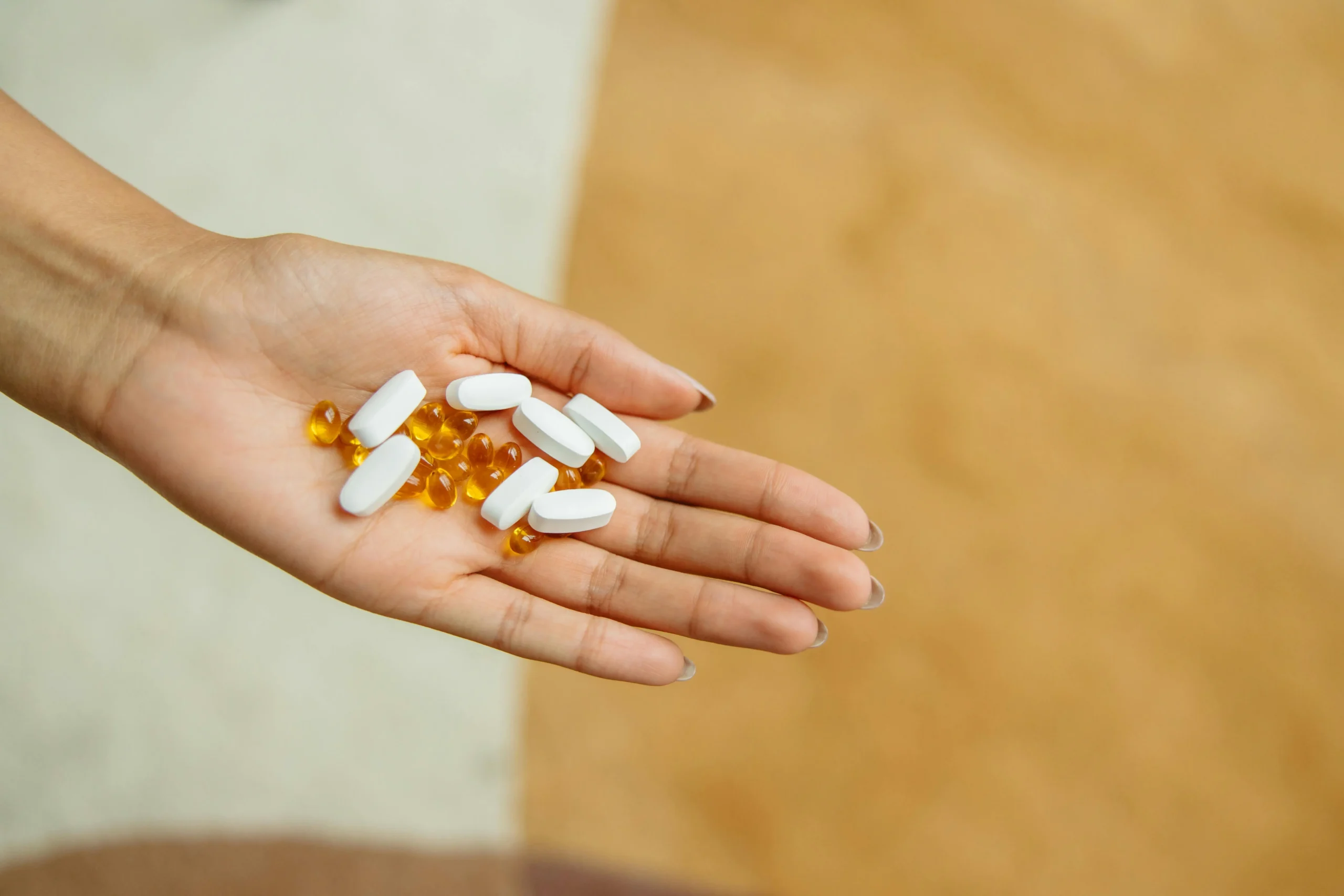
While food and lifestyle are the foundation, supplements can provide extra support when needed. If you’re looking into the best supplements for gut health, it’s important to understand what each one does.
Probiotics are one of the most common options. They add beneficial bacteria to your digestive system. A quality probiotic with multiple strains can help reduce bloating, support regular bowel movements, and restore balance after antibiotics. Not every probiotic works the same way, so sometimes it takes a little trial to find the right one.
Prebiotics are another powerful option. They aren’t bacteria themselves, but they feed the good bacteria already living in your gut. Ingredients like inulin and certain plant fibers help beneficial bacteria grow and thrive. Some people find that combining probiotics and prebiotics works better than using one alone.
Digestive enzymes can also help, especially if you feel heavy or uncomfortable after meals. These enzymes assist your body in breaking down fats, proteins, and carbohydrates more efficiently. They can be helpful if you struggle with larger meals or occasional indigestion.
L-glutamine is an amino acid that supports the lining of the gut. It may be beneficial for people dealing with gut irritation or increased intestinal permeability. Collagen Supplements are another option, as they provide amino acids that help maintain the integrity of the digestive tract lining.
It’s important to remember that supplements support healthy habits—they don’t replace them. If your diet and lifestyle are out of balance, supplements alone won’t fix the problem.
Movement Supports Digestion
Regular movement stimulates digestion and encourages healthy gut bacteria diversity. You don’t need intense workouts to see results. Walking after meals, light strength training, or yoga can all help improve gut motility. Exercise also reduces stress, which circles back to supporting the gut-brain connection. Even 20 to 30 minutes of movement on most days of the week can make a noticeable difference in how you feel.
Be Careful with Antibiotics
Antibiotics are sometimes necessary and lifesaving, but they don’t discriminate between good and bad bacteria. Overuse can disrupt your microbiome. Only take antibiotics when prescribed and truly needed. If you do need them, supporting your gut afterward with probiotic-rich foods or one of the best supplements for gut health can help rebuild balance more quickly.
Give It Time
One of the most common questions people ask is how long it takes to improve gut health naturally. The answer depends on your starting point. Some people notice changes within a few days of cleaning up their diet. For others, it may take several weeks to fully rebalance.
Consistency matters more than perfection. You don’t have to overhaul your life overnight. Start by drinking more water, adding fiber, managing stress better, and improving sleep. Then consider adding supportive supplements if needed. Small daily habits add up in a big way.
Improving gut health naturally is about supporting your body instead of fighting it. Real food, hydration, stress management, movement, and quality sleep form the foundation. From there, the best supplements for gut health—like probiotics, prebiotics, digestive enzymes, L-glutamine, and collagen—can provide extra help when necessary.
When your gut is balanced, everything feels more stable. Your digestion improves, your energy levels rise, and even your mood can feel lighter.
