

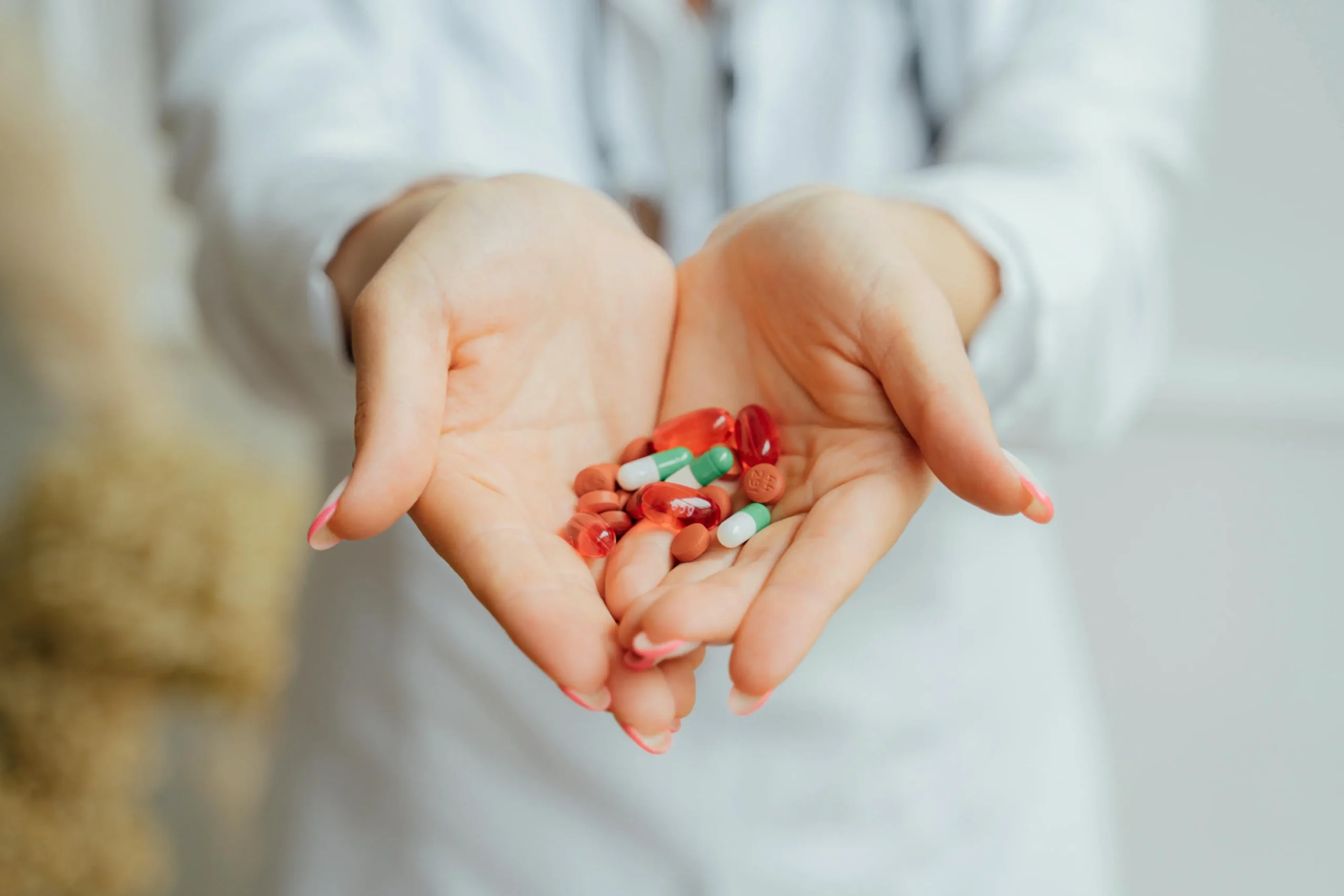
Living with co-occurring disorders can be overwhelming. Managing both mental health conditions, such as depression, anxiety, or bipolar disorder, alongside a substance use disorder can make recovery complex. A comprehensive recovery plan often includes therapy, medications, lifestyle changes, and support from professionals. Many people also wonder whether vitamins and nutritional supplements can help. Can they improve mood, support the brain, or help with recovery? And are some supplements risky?
The truth is, supplements can play a supportive role, but they are not a replacement for professional treatment. Understanding which supplements are generally safe, which ones may cause issues, and how to use them wisely is essential for anyone managing co-occurring disorders.
Why Supplements Are Considered in Recovery
People with co-occurring disorders often experience nutritional challenges. Substance use can reduce appetite, interfere with nutrient absorption, and lead to deficiencies. Mental health conditions, stress, and irregular eating patterns can also increase nutrient needs. These factors can affect energy, mood, sleep, and overall well-being.
Supplements are often considered to fill nutritional gaps. They can support physical and mental health during recovery, improve nutrient intake, and, in some cases, help stabilize mood. While they are supportive tools, supplements are not a cure for mental health or substance use disorders. They work best when included as part of a broader, professional care plan.
Supplements That Are Generally Safe
Certain nutrients are commonly recommended for people with co-occurring disorders because they support brain function, mood, and overall health.
Omega-3 fatty acids are essential fats that help maintain healthy brain function. Research suggests that omega-3s can support mood regulation and complement other therapeutic approaches. They play a role in maintaining brain cell structure and improving communication between neurons.
Vitamin D is important for mental and physical health. Low levels have been linked to mood disorders, and supplementation can support overall well-being, especially for those with limited sunlight or dietary intake. Maintaining proper vitamin D levels can help with energy, sleep, and mood.
B-vitamins, including B12, B6, and folate, are vital for producing neurotransmitters that regulate mood and energy. People recovering, particularly from alcohol use, often have deficiencies in these nutrients. Supplementation can help restore balance and support mental and physical wellness.
Magnesium supports muscle and nerve function, relaxation, and sleep. Some studies suggest magnesium can help manage mild stress or anxiety. While generally safe at recommended doses, very high amounts may cause digestive discomfort.
Amino acid support, such as N-acetylcysteine, has been explored for its potential to help regulate brain antioxidant systems and support mental health. These supplements may complement therapy and medical treatment when used under guidance from a healthcare professional.
Supplements to Approach with Caution
Not all supplements are safe for everyone, and some may interact with medications. Herbal or high-dose supplements can sometimes cause side effects or interfere with prescribed medications for mental health or substance use. Amino acid precursors that affect neurotransmitters, or high-dose “energy” or “detox” supplements, may also carry risks.
Because supplements vary in quality and effects, it is essential to consult a healthcare provider before starting any new supplement. A professional can help determine what is safe, appropriate, and likely to support recovery without causing complications.
How Supplements Fit into a Recovery Plan
Supplements are most effective when used as part of a comprehensive recovery plan. They are tools that support, rather than replace, professional treatment. Along with supplements, a comprehensive plan for co-occurring disorders includes therapy, counseling, and medical care. Nutrition, physical activity, sleep, and social support are equally important.
For example, someone recovering from substance use with co-occurring depression may benefit from B-vitamin support to address deficiencies, omega-3s to support mood, and vitamin D if levels are low. These supplements, when combined with therapy and a balanced lifestyle, can help the person feel more stable, energized, and engaged in recovery.
Using Supplements Safely
Safety is key when incorporating supplements. Always discuss any new supplement with a healthcare professional to avoid interactions with medications or complications. Start with recommended doses and monitor how your body responds. More is not always better; high doses can sometimes be harmful. Choosing supplements verified for quality and purity helps ensure safety.
Supplements should always be seen as supportive, not curative. Recovery is most effective when supported by evidence-based treatments, proper nutrition, exercise, sleep, and social support.
Understanding Individual Needs
Recovery is personal. Age, medical history, medications, diet, and the type of mental health or substance use disorder all affect how supplements may support health. Testing nutrient deficiencies before starting supplements ensures that they are truly needed. Personalized guidance from a healthcare professional ensures supplements support recovery safely and effectively.
Supplements as Part of a Safe Recovery Plan
Supplements can be a helpful part of recovery for co-occurring disorders. Omega-3 fatty acids, vitamin D, B vitamins, magnesium, and amino acid support are generally safe when used correctly. Other supplements, especially herbal or high-dose products, should be approached with caution.
The most important point is that supplements are one piece of a larger recovery plan. They should complement professional therapy, medication, proper nutrition, exercise, sleep, and social support.
If you or a loved one is struggling with co-occurring disorders, the right professional care can make all the difference. At Ally Essentials, we offer comprehensive, personalized recovery programs that address both mental health and substance use. From therapy to nutrition support, we provide a safe environment for healing.
Please reach out to our admissions team today to take the first step toward a healthier, balanced life. Recovery starts now, and help is available.
